Apr 20, 2026
When people search for top 10 property management companies, they usually want a shortcut. That makes sense. A rental home, a small apartment building, or even a single condo in Burbank can bring in steady income, but only if the right people are handling the day to day work. The problem is simple: a list looks clean, but real property management never is. It’s part operations, part customer service, part legal awareness, and part plain old common sense.
That’s why a ranking page should never be the end of your research. It should be the start.
A company can look polished online and still feel clumsy once the lease is signed. Another might have a quieter brand, but a much stronger grip on screening, maintenance follow through, vacancy control, and tenant communication. You see the issue, right? A “top 10” list often rewards visibility more than day to day performance.
For Burbank owners, the stakes are higher than they first appear. This is a market where location matters block by block, renter expectations are shaped by convenience and neighborhood feel, and timing can shift how fast a unit moves. A list can’t always show whether a team understands what renters want near Magnolia Park, media district corridors, or quieter residential pockets.
That is why many landlords start with a list but end up choosing based on local fit.
That sounds dramatic, but it’s true. Rent collection, repair coordination, move in prep, vendor calls, lease renewals, owner reporting, legal notices, showings, screening, pricing strategy, city awareness, and tenant complaints all need attention at once. If the flow breaks in one place, the whole thing gets messy.
A strong manager keeps those moving parts steady without making the owner feel buried in admin work. A weak one creates silence when you need answers and noise when you need order.
That difference often shows up in the first conversation. Do they speak clearly about process? Do they explain timelines? Do they know local rental behavior, not just national talking points? A team that manages property management in Burbank should be able to explain how they handle leasing pace, repair calls, and tenant turnover in plain language.
Plenty of firms can say they “care.” That word gets tossed around like confetti. What matters more is whether they understand the rental rhythm of Burbank.
Can they price a unit sensibly without letting it sit too long? Can they tell you when fresh paint actually helps leasing and when it’s just extra spend? Can they explain what renters in this area usually ask about first, parking, pets, laundry, commute, school zones, building condition, or storage?
That kind of local feel matters because people are not renting in the abstract. They are renting in a real city, with real tradeoffs, real budgets, and real expectations. Helpful owners pay attention to that. Smart managers do too.
Even public resources can help ground your decisions. Looking through Burbank city information gives useful context on neighborhoods, local services, and community planning. It won’t choose a manager for you, but it helps you judge whether a company really knows the area or is simply repeating sales language.
Honestly, this is where many companies lose trust.
An owner can forgive a surprise repair. Most understand that houses and buildings have moods of their own. But what they don’t forgive is poor communication around that repair. Silence makes small problems feel expensive. Delays make normal issues feel alarming.
The best teams communicate in layers. Tenants get answers. Owners get updates. Vendors get direction. Everyone knows what happens next.
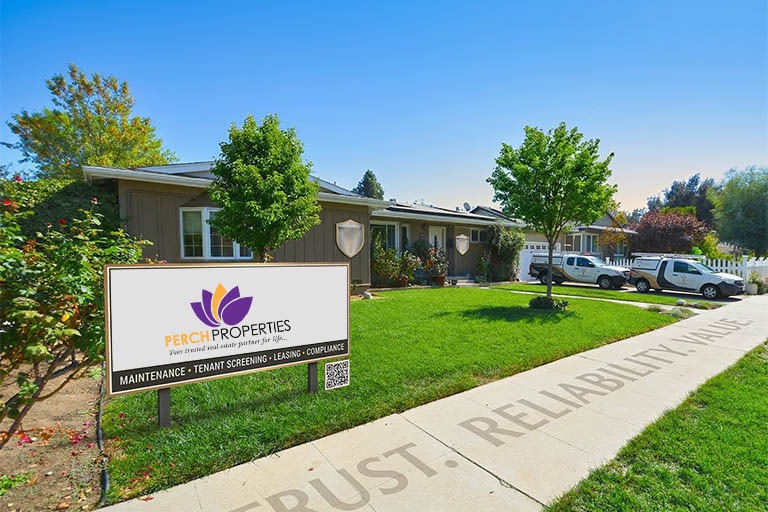
You’ll often hear landlords say things like, “I rent my house with Perch Properties because I don’t want to chase three people just to confirm one repair visit.” That kind of comment says a lot. It points to relief, not hype. And relief is what many owners are actually shopping for.
Yes, people compare percentage fees. Of course they do. But a cheaper monthly rate can become costly fast if the company struggles with vacancy, weak tenant screening, or messy maintenance handling.
This is where owners should slow down and ask a better set of questions.
What is included in leasing?
How are renewals handled?
Who approves repairs, and at what threshold?
How often are inspections done?
What reporting is sent to the owner?
How quickly do they respond to tenants?
How do they handle notices and compliance concerns?
Those details matter more than a tiny difference in monthly fee.
It also helps to review the kind of standards expected in California. Public guidance from the California Department of Real Estate can help owners understand licensing context and consumer facing expectations. It will not replace a legal review, but it gives useful perspective when comparing service quality and professionalism.
A lot of owners talk about maintenance because repairs are visible. But the real turning point often comes earlier, during screening.
One poorly screened tenant can create months of friction. Lost rent, property wear, strained communication, delayed move out, or legal complications can snowball. Good screening is not about being harsh. It is about being careful, consistent, and fair.
A solid management team balances compliance with judgment. They don’t rush just to fill a vacancy. They don’t freeze up and leave a property sitting either. They know how to move with purpose.
That balance is where experience shows.
This part gets ignored. A company that treats tenants well often protects owner returns too. Why? Because cleaner communication, smoother maintenance, and reasonable systems lead to fewer conflicts and better retention.
If a renter can submit a request easily, get a fair response, and understand the lease terms clearly, that property tends to run with less friction. Fewer tense calls. Fewer misunderstandings. Fewer move outs caused by preventable frustration.
That’s also why many prospective tenants browse properties for rent in California with management reputation in mind, even if they don’t say it out loud. The unit matters, yes, but so does the team behind it.
Some people need help with one rental home. Others are preparing to expand, sell, or reposition property later. A management company should be able to support those next steps, not just collect rent and send statements.
Maybe you are holding a home for a few years before sale. Maybe you are testing whether a second property makes sense. Maybe you want a cleaner handoff if you eventually list the asset. In those moments, it helps when the management side connects naturally with broader market knowledge, including access to sale properties in California and local owner guidance.
Here’s the thing: the best manager is not always the loudest one. It is usually the one with the clearest system and the steadiest follow through.
So what should you really compare?
A flashy ranking may bring companies to your attention, and that’s fine. But your actual decision should come down to a handful of grounded questions.
How well do they know Burbank?
How clearly do they explain their process?
How do they screen tenants?
How do they handle repairs?
How often do owners hear from them?
What happens when something goes wrong?
Would you trust them with your property on a bad Tuesday, not just a good Friday?
That last question matters. A lot.
And if you are ready to speak with a team directly, it makes sense to contact a local property management company and ask specific, practical questions instead of vague ones. You’ll learn more in ten sharp minutes than in an hour of scrolling lists.
Q: What should I look for beyond a ranked list of companies?
A: Focus on local experience, communication standards, screening process, maintenance handling, reporting, and how clearly fees are explained.
Q: Are lower management fees always better?
A: Not necessarily. A lower fee can cost more later if leasing takes longer, screening is weak, or repairs are handled poorly.
Q: Why does local Burbank knowledge matter so much?
A: Rental demand, pricing behavior, and tenant expectations can shift by area. Local knowledge helps reduce vacancy and improve tenant fit.
Q: Do renters care who manages the property?
A: Yes. Tenants often stay longer and communicate better when management is organized, responsive, and fair.
Q: Where can owners check housing and consumer resources?
A: Public information from HUD, the California Department of Real Estate, and the City of Burbank can provide useful context.
